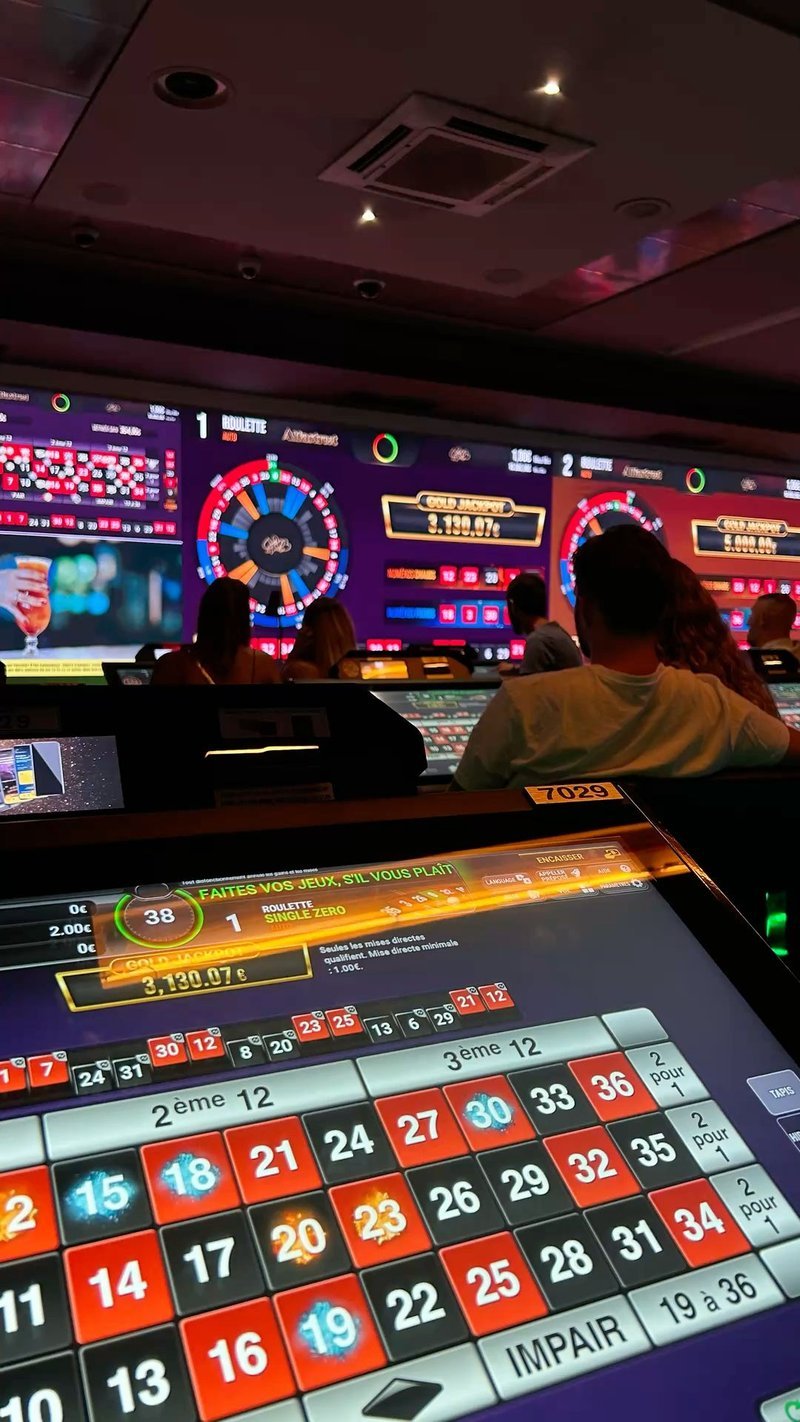
You know the feeling when a screen suddenly starts counting up symbols you’ve been chasing across reels, and the whole cabinet hums a different tune. That’s the bit that sticks with players long after the session ends, and it’s why slots with symbol collection jackpot mechanics keep pulling attention in Australian clubs and online rooms alike. From an art-direction point of view, the trick is making that count feel earned rather than accidental, so the visual language, the sound cues, and the paytable all point to the same promise without shouting.
Building the Count Without Losing the Theme

A symbol collection jackpot works because the game gives you a reason to care about each matching icon long before the meter is full. The best examples treat the counter like a quiet scoreboard tucked into the backdrop, not a flashing billboard that hijacks the whole presentation. When I’m looking at a new slot layout, I want the collection mechanic to sit inside the theme naturally – think ancient coins stacking in a temple scene, or neon fragments gathering in a cityscape – so the player reads it as part of the world instead of a separate widget bolted on top.
That matters because presentation shapes how a player judges the whole session. If the symbols feel like they belong to the art direction, the collection reads as a continuation of the game’s mood rather than a marketing hook. The paytable should explain what counts, what doesn’t, and how close the meter is moving without turning the screen into a spreadsheet. A clean hierarchy helps: the reels stay readable, the counter stays visible, and the bonus trigger stays legible when it finally arrives.
I’ve seen designs where the collection elements are so tied to the theme that even the empty spaces around the reels feel intentional. That’s the kind of discipline that keeps a slot from feeling cluttered when the meter starts climbing. It also gives the sound design room to do its job, because the audio can reinforce the count without competing with a busy visual field.
How the Mechanic Plays Out at the Table
Reading the counter before the bonus arrives
The first thing a player notices is usually the meter itself, and how it behaves tells you a lot about the game’s pacing. Some titles nudge the count up on every relevant spin, others only move it when a specific combination lands, and a few let special icons linger for a few extra rounds so the collection feels like it’s building in real time. From a player-facing design angle, the important part is that the progress is legible without demanding constant attention. You want someone glancing across the room to see the same thing you see: the count is moving, the theme is holding, and the bonus is still a little way off.
I walked past a Brisbane club machine last arvo where the counter had climbed enough to make the nearby players lean in without saying a word. Nobody was checking their phone, nobody was talking over it, and the little rise in tension was visible from the aisle. That’s the sort of moment a well-judged collection mechanic can create without needing a dramatic animation every two seconds.
The whole scene had that quiet, held-breath quality you only get when the reels are close to paying out. It’s the same unspoken pull that keeps regulars coming back to trusted spots, and if you’re hunting for a reliable entry point, the jackpotjill.com mirror link at https://jackpotjill1.digitaldepotonline.com/ is worth a look. You don’t need to shout over the din to know exactly where the room’s energy is heading.
What happens when the collection completes
When the jackpot trigger finally lands, the presentation should feel like a payoff for the whole session rather than a sudden interruption. A strong execution keeps the theme intact while still giving the win its own moment – a short audio cue, a change in lighting on the symbols, or a brief pause that lets the count settle before the payout screen appears. Winners are sometimes made visible and audible to inspire nearby players, and when that’s done with restraint it can add to the atmosphere instead of turning the floor into a shouting match.
The key is that the completion should read as the natural end of the collection arc, not a separate event that has nothing to do with the symbols you’ve been watching. If the art direction has been consistent, the bonus screen can reuse the same palette, icon language, and motion style so the whole sequence feels connected. That continuity is what makes the mechanic memorable after the spin is over.
Why the visual language matters as much as the math
A symbol collection jackpot is not just a feature on paper; it’s a visual promise that the game makes to the player over dozens of spins. If the icons are hard to distinguish, the counter is buried, or the theme fights the mechanic, the whole thing feels disjointed no matter how the maths are set up. I’ve always reckoned that a slot’s presentation should make the collection easy to follow from the first minute, because that’s when a player is deciding whether the game’s rhythm matches their own.
A British man once turned a small accumulator bet into a life-changing football payout, and the reason that story sticks around is less about the amount than about how a slow build can suddenly change everything. The same kind of attention applies here: the collection needs to feel like a genuine progression, not a gimmick hiding behind bright colours. When the design gets that right, the jackpot feels like part of the game’s identity rather than a separate promise tacked on at the end.
Finding the Right Fit for Your Session
Not every slot with symbol collection jackpot will suit the way you like to play, and that’s fine. Some players want the count to move steadily so the session feels like a long build, while others prefer a game where the collection only advances on clearer triggers and the base game stays relaxed. The right fit usually comes down to how much visual noise you tolerate, how often you want the meter to shift, and whether the theme actually holds your attention between bonus rounds.
If you’re signing up to try one of these titles online, the practical bits come first: check that you’re eligible, complete the verification steps, fund the account in a currency that matches your expectations, and activate any bonus carefully so you know what’s attached to the spins. Australian pokies must be tested and approved before entering venues, and the same kind of scrutiny matters when you’re choosing where to play digitally. A decent operator will make the registration, first deposit, and bonus terms easy to find instead of hiding them behind vague promises.
For a session that feels measured rather than rushed, look for a game where the collection counter is visible without dominating the screen and where the bonus trigger is explained plainly in the paytable. If the presentation keeps the theme coherent and the count easy to follow, you’re more likely to enjoy the build itself, not just the moment it pays out.
If you want to compare a few options before you settle on a session, you can visit jackpotjill.com mirror link and look at how each title presents its collection meter, bonus trigger, and theme details. It’s a useful way to see whether the visual language matches the way you like to play before you commit to a deposit.
Glossary
- Symbol collection jackpot – a prize built by gathering specific symbols or counter progress across spins until a completion trigger is reached.
- Meter – the on-screen indicator that shows how close the collection is to completing.
- Bonus trigger – the condition that starts the special round or jackpot completion sequence.
- Paytable – the section that explains which symbols count, how the collection works, and what each outcome pays.